How Cracks in Concrete Foundations Affect Structural Stability
To prevent structural issues caused by cracks in concrete foundations, local contractors can assess and repair the damage to maintain stability and safety.
Understanding how cracks in concrete foundations affect structural stability is essential for property owners who want to protect their investments. Over time, small cracks can develop into larger issues that compromise a building’s safety and longevity. Recognizing the signs early and knowing when to seek professional assessment can make a significant difference in preventing costly repairs or more serious damage. Local contractors experienced in foundation crack repair can evaluate the severity of these issues and recommend effective solutions, helping to maintain the stability of the property’s structure.
For property owners in the area, exploring this topic is a practical step toward safeguarding their homes or commercial buildings. Cracks may seem minor at first, but they can indicate underlying problems that need prompt attention. Local service providers specializing in foundation crack repair offer the expertise needed to address these concerns before they escalate. Continuing to read can provide valuable insights into how foundation issues develop and how professional repair services can help preserve the integrity of a property’s foundation over time.
- Concrete foundation crack repair services are essential when visible cracks threaten the overall stability of a structure and require professional assessment. Local contractors evaluate the extent of cracks and develop tailored repair plans to prevent further damage affecting structural integrity. When cracks in concrete foundations indicate shifting or settling, service providers use specialized techniques to stabilize the foundation and restore safety. For homes experiencing ongoing cracking, experienced pros can identify underlying issues and provide effective repair solutions to maintain stability. Contacting local service providers ensures that cracks in concrete foundations are properly addressed to protect the building’s structural stability.
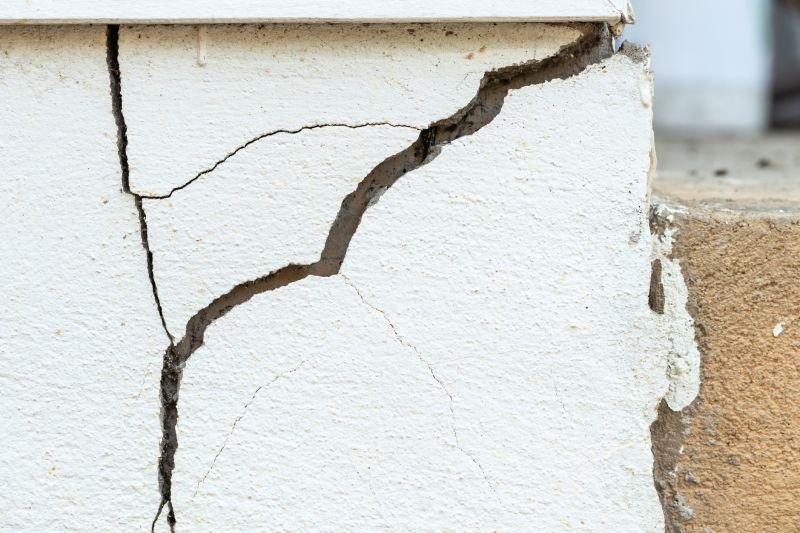
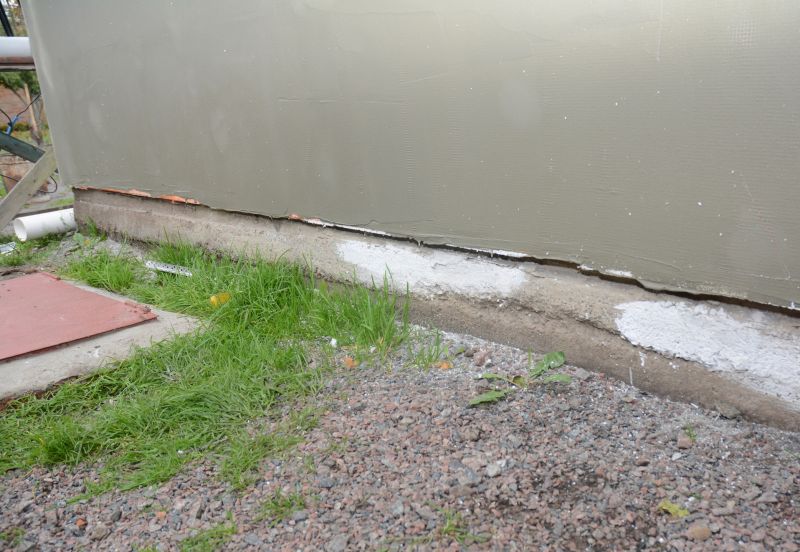
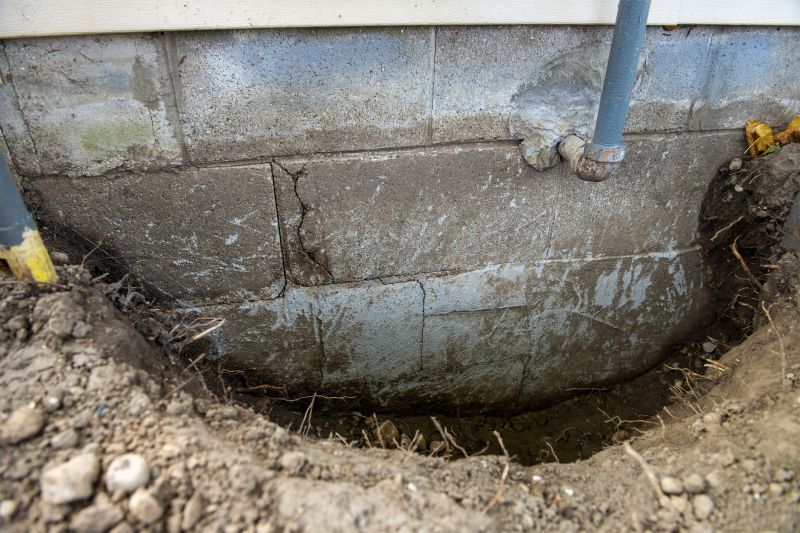
When people search for how cracks in concrete foundations affect structural stability, they are often trying to understand whether visible cracks pose a serious risk to the safety and integrity of their property. This concern is common among homeowners who notice new or expanding cracks and want to determine if these signs indicate underlying issues. Typically, the focus is on whether the cracks could lead to foundation failure, uneven settling, or damage to the building’s overall structure. Understanding the potential consequences helps homeowners decide if repairs are necessary and how urgent those repairs might be, especially when planning for future renovations or property improvements.
This topic is closely related to a variety of property problems and planning considerations. Cracks in concrete foundations can be caused by soil movement, moisture fluctuations, or improper construction, and they often signal underlying issues that might worsen over time. If left unaddressed, these cracks can lead to uneven floors, misaligned walls, or even significant structural failure. Homeowners may also be exploring repair options, reinforcement strategies, or preventative measures to avoid more costly damage later. For those involved in remodeling or expansion projects, understanding how foundation cracks impact stability is crucial to ensuring the safety and longevity of any new work.
The types of properties most commonly associated with foundation cracks are typically residential homes, especially those built on expansive or shifting soils. Single-family houses, townhomes, and small apartment buildings are often affected by these issues. The severity and pattern of cracks can vary depending on the property’s age, construction quality, and local soil conditions. For example, vertical or hairline cracks may be less concerning, while large, diagonal, or widening cracks often indicate more serious problems. Recognizing the signs and understanding the property’s specific context helps homeowners decide when to seek professional evaluation and repair services to restore stability.
Local concrete foundation crack repair service providers play an important role in addressing these concerns. They offer expertise in assessing the extent of foundation damage, diagnosing the root causes, and recommending suitable repair methods. Whether it involves sealing minor cracks, installing reinforcement, or performing underpinning work, these professionals help ensure the foundation remains stable and the property’s structural integrity is preserved. Connecting with experienced local contractors allows homeowners to explore tailored solutions that fit their property’s needs, helping to prevent further damage and maintain the safety of their home.
Foundation Inspection Services - Professionals who perform detailed assessments of concrete foundations to identify cracks and evaluate their impact on structural stability.
Structural Repair Projects - Contractors experienced in fixing foundation cracks and restoring the integrity of the building’s support system.
Concrete Repair Services - Service providers skilled in sealing and reinforcing cracks in concrete to prevent further damage and maintain stability.
Basement Waterproofing - Experts who address foundation cracks that may allow water intrusion, which can compromise structural integrity over time.
Soil Stabilization and Groundwork - Projects that prepare and reinforce the soil around foundations to reduce movement and prevent cracks caused by shifting ground.
Drainage System Installation - Services that improve water management around foundations, helping to minimize crack formation and protect structural stability.
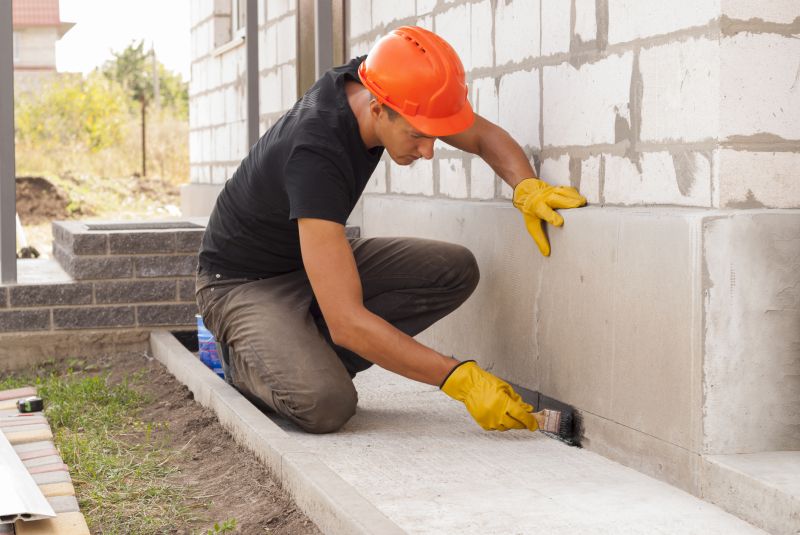
When evaluating contractors for concrete foundation crack repair, it is important to consider their experience with similar projects. Service providers who have handled cracks of comparable size and severity can offer insights into what to expect and how to address potential underlying issues that may impact the structural stability of the foundation. An experienced contractor will be familiar with the common causes of cracks and the most effective repair methods, helping to ensure that the work is performed properly and that the foundation remains stable over time.
Clear written expectations are essential when choosing a local contractor for foundation crack repair. A reputable service provider should be able to provide detailed descriptions of the repair process, including the steps involved, materials used, and the scope of work. This transparency helps homeowners understand what will be done, avoid misunderstandings, and make informed decisions. Having a well-defined plan also allows for better comparison between different contractors, ensuring that the chosen professional aligns with the homeowner’s needs and concerns regarding the foundation’s structural integrity.
Reputable references and good communication are key factors when selecting local contractors for foundation repairs. Service providers who can supply references from previous clients with similar projects demonstrate a track record of reliable work. Additionally, clear and prompt communication throughout the process helps address questions and concerns early, reducing the risk of surprises or misaligned expectations. By focusing on these qualities, homeowners can better ensure that the contractor they choose is capable of accurately assessing how cracks in concrete foundations affect structural stability and providing appropriate repair solutions.
Property owners often search for how cracks in concrete foundations affect structural stability when they are planning practical projects around their homes and businesses. Local pros provide Concrete Foundation Crack Repair services for everyday jobs and straightforward project options.
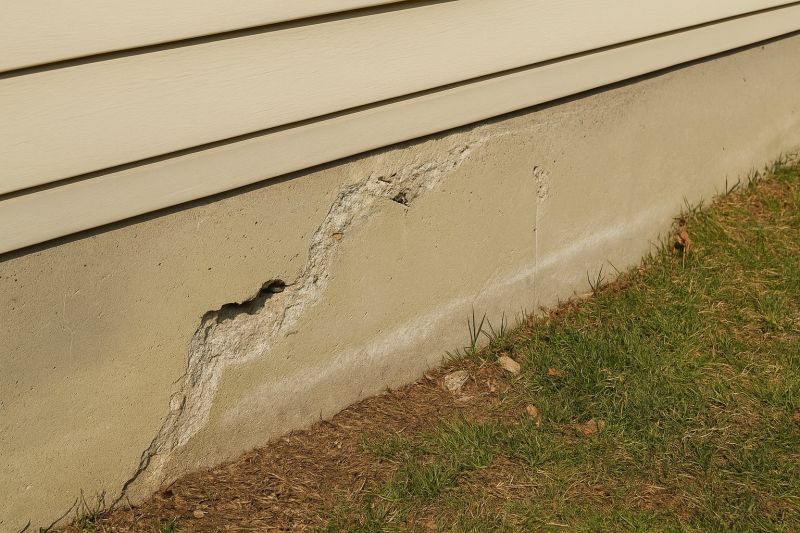
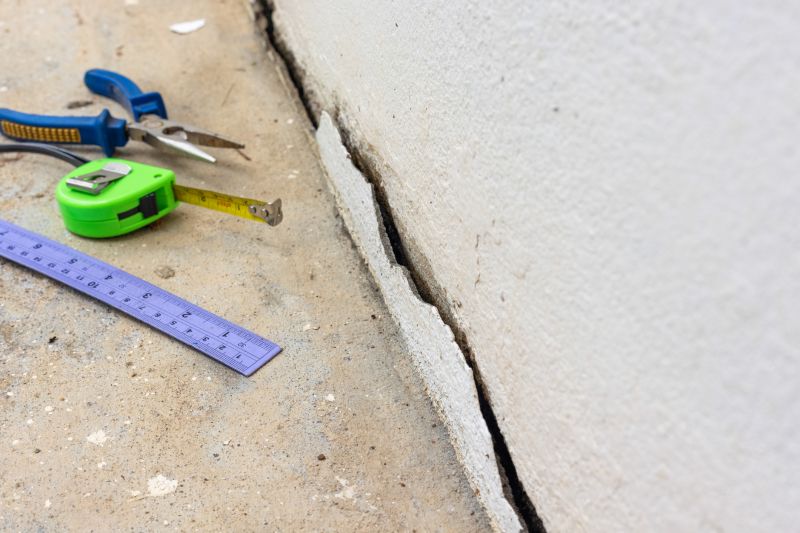
Cracks in concrete foundations are a common concern for property owners, especially those noticing signs of shifting or uneven floors. These small fissures can sometimes be a normal part of settling, but in many cases, they indicate underlying issues that could compromise the stability of a building. Understanding how cracks in concrete foundations affect structural stability helps property owners recognize when professional assessment and repair might be needed to prevent further damage or costly repairs down the line.
Many local property owners look into concrete foundation crack repair services when they see new or widening cracks, especially if they are accompanied by other signs like sticking doors or uneven surfaces. These cracks can weaken the foundation’s integrity over time, making it more vulnerable to shifting or settling that could impact the safety of the entire structure. Connecting with experienced local contractors who specialize in foundation repair can provide solutions to stabilize the foundation and help maintain the property's long-term stability.
How do cracks in concrete foundations impact structural stability? Cracks can weaken the foundation’s integrity, potentially leading to uneven settling or further damage that compromises the overall stability of the structure. Local contractors can evaluate the severity of cracks and recommend appropriate repair methods to maintain stability.
What types of cracks are most concerning for foundation stability? Larger, expanding, or horizontal cracks are often more concerning, as they may indicate significant movement or stress within the foundation. Service providers can assess these cracks to determine if they threaten the structure’s stability.
Can small cracks in a concrete foundation affect the building’s stability? Small, hairline cracks are usually not a major concern, but if they grow or appear in specific patterns, they might suggest underlying issues. Local pros can inspect these cracks to identify if repair is needed to prevent future stability problems.
How do cracks in concrete foundations relate to underlying soil conditions? Cracks may be caused by soil movement, such as settling or expansion, which can affect the foundation’s stability. Experienced contractors can diagnose soil-related issues and recommend repairs to address both the cracks and the root cause.
What repair options are available for cracks that threaten structural stability? Repair methods can include epoxy injections, crack stitching, or underpinning, depending on the severity. Local service providers can determine the best approach to restore the foundation’s stability and prevent further damage.
Assessing foundation cracks - Property owners can identify early signs of cracks and consult local contractors to evaluate their impact on structural stability.
Prioritizing repairs - Recognizing how cracks in concrete foundations affect structural stability helps prioritize repair projects to prevent further damage.
Choosing repair methods - Understanding the significance of foundation cracks guides property owners in selecting appropriate repair techniques with local service providers.
Preventing future issues - Learning about how cracks influence stability encourages proactive measures and regular inspections by local contractors.
If you are thinking about how cracks in concrete foundations affect structural stability for a property, this guide is meant to help you understand this topic, the typical project types, and how different options might fit your plans.
When you are ready, you can use the quote form on this page to share a few details about your project. From there, local pros can review the basics and follow up with options that match what you have in mind.